


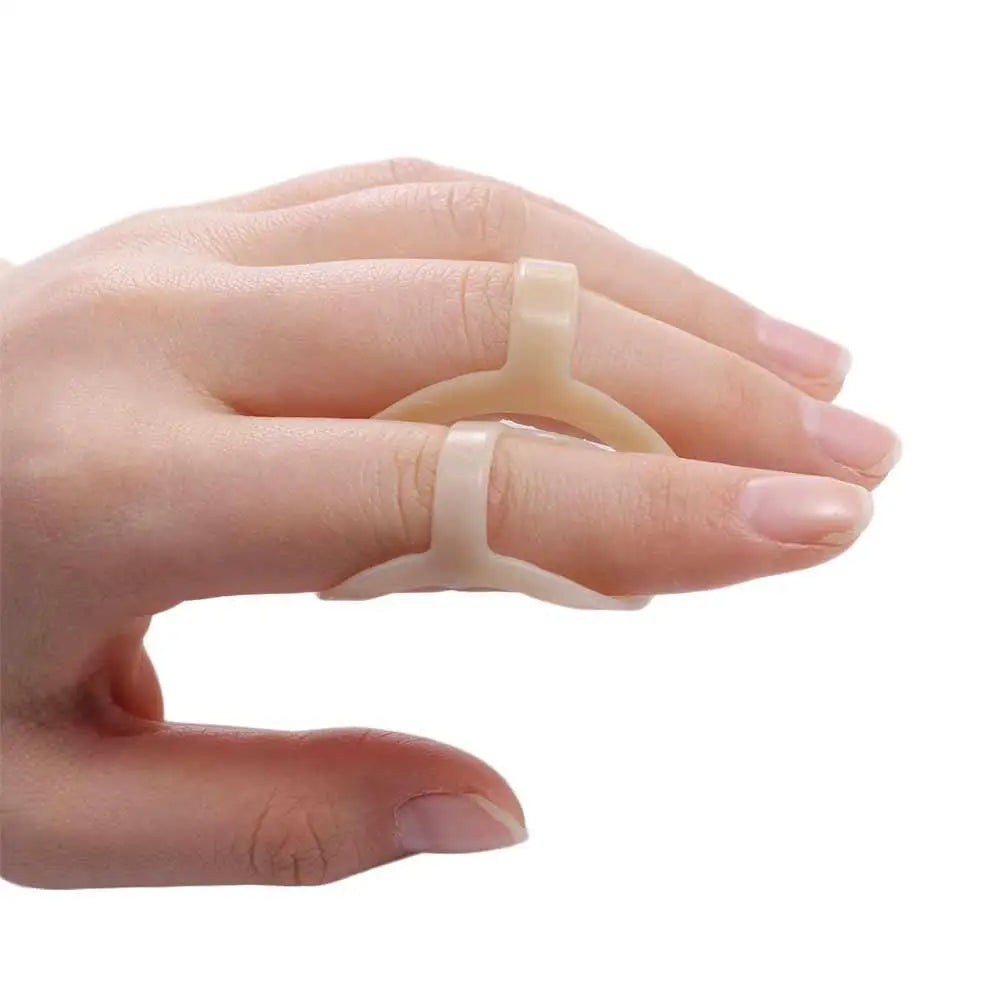
Hands are used extensively to type, hold, write, and even hold a hand. It is hard not to notice when they are hurt or stiff. In case you are in need of information about arthritis in hands, there is no problem. This guide will help you understand the meaning of hand arthritis and why it happens, how you feel and what you can do to change things so that your hand continues to work well.
What is Hand Arthritis & What Types Affect Your Hands
Arthritis is the term used to describe joint inflammation and injury. When arthritis affects hands, a variety of types may be at play:
-
Osteoarthritis:
It is the "wear and tear" kind. Over time, cartilage wears down. On your hand, OA often affects the bottom of the thumb's trapeziometacarpal CMC joint and the middle joints, and the tips of fingers. -
Rheumatoid arthritis:
This is an autoimmune disease that causes inflammation of the joint, the synovium lining that coats the joint and is usually on each hand resulting in pain, swelling and ultimately the formation of deformities. -
Hands and fingers can be affected by other forms, including psoriatic arthritis.
Common Signs & Symptoms of Arthritis in Hands
-
Stiffness in the fingers and joints that is relieved by movement.
-
Hands ache with turning, holding or doing repetitive chores.
-
Swelling, tenderness, or pain in any hand joint.
-
The strength of the hands is reduced; the lids of the jars, the doorknobs, the writing, the small motor functions are hard to open, to turn, or to perform.
-
Changes that are noticeable over time, joints can become deformed, and bony knots can form in joints between fingers.
Looking for trusted products and support? Visit our Family-Owned Arthritis Aid Store for carefully selected solutions designed to make everyday living with arthritis easier.
Why Does Hand Arthritis Happen?
There's rarely a singular reason. It's usually a combination of causes:
-
Age:
The older you get, the more likely that cartilage wears down. OA is particularly prone to increase as you the advancing years. -
Gender:
Women are more prone to developing hand arthritis, particularly after menopause, in the case of OA. -
Family history/genetics:
If you have relatives who have hand arthritis, then your chances of developing it could be greater. -
Injuries or abuse:
Fractures in the past, stress from repetitive use, or occupations/jobs that rely heavily on your hands could cause them. -
Other medical conditions or lifestyle factors:
Obesity, inflammatory illnesses, smoking, etc. This can cause inflammation to increase or cause joint pain.
Final Thoughts
Having knowledge about the arthritis in hands, a clear diagnosis and being proactive by treating, leading an active lifestyle and managing may make a difference.. At Arthritis Aid, our goal is to assist you in keeping your hands healthy and functional to the maximum extent you can. If you have any concerns, discuss with a healthcare expert. A quick understanding and intervention can improve health.
Sources
-
Cleveland Clinic: Arthritis of the Hand: Symptoms, Types & Treatments
https://my.clevelandclinic.org/health/diseases/7082-arthritis-of-the-wrist-and-hand -
Arthritis Foundation: Osteoarthritis of the Hands
https://www.arthritis.org/diseases/more-about/osteoarthritis-of-the-hands? -
Healthline: Arthritis in Hands: Causes, Symptoms, and Treatment
https://www.healthline.com/health/osteoarthritis/osteoarthritis-hand? -
Mass General Brigham: Managing Arthritis in Your Hands
https://www.massgeneralbrigham.org/en/about/newsroom/articles/managing-arthritis-in-your-hands? -
Mayo Clinic: Arthritis: Symptoms and Causes
https://www.mayoclinic.org/diseases-conditions/arthritis/symptoms-causes/syc-20350772?


